Live action conveys an inimitable sense of reality, which can be a precious asset for certain types of communication.
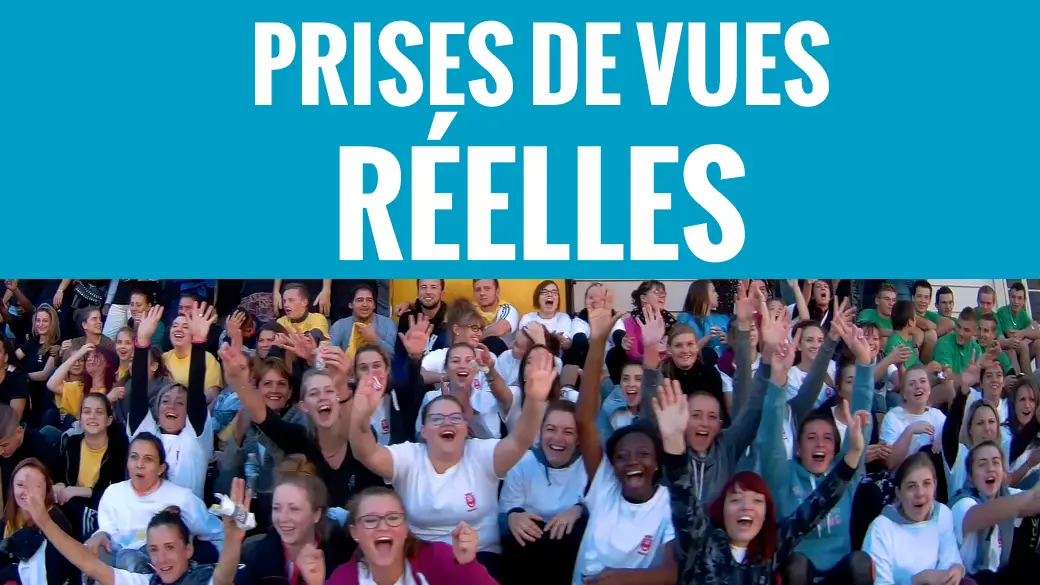
Animators have always relied on the talent of actors to breathe life into their characters, if only through their voices, and often through motion capture or rotoscoping.
Sometimes you have to face the obvious: the real image is the one best suited to the story you have been asked to tell. This page lists a few examples where your programme has everything to gain from using live action — that is, a camera, without (necessarily) the animators’ artifices.
We have chosen to present 4 case studies where the choice of live action made perfect sense: a multimedia awareness programme, a documentary, a fiction film and a premium virtual greeting card.
Advertising film
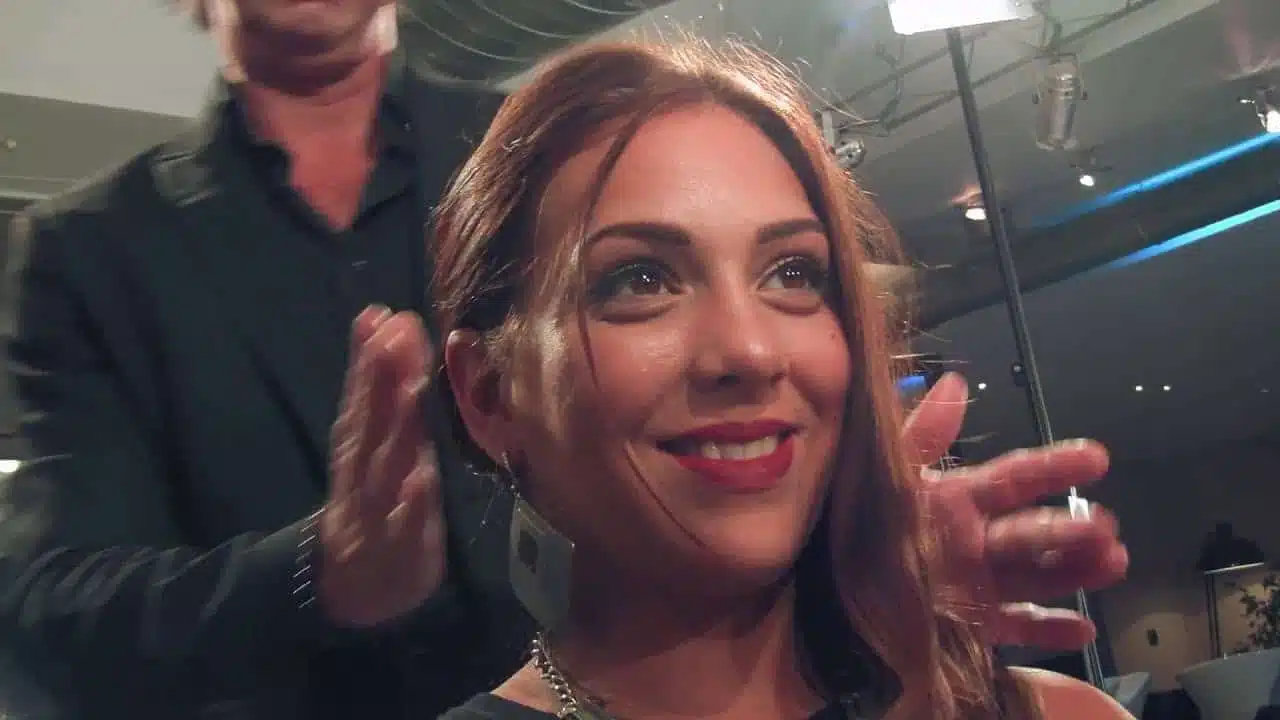
In the example of the film made for the Nade and Thy hair salon, it was essential to recognise the salon’s familiar faces (the founder, the hairdressers, the barbers, the make-up artists), and live action immediately imposed itself for its fidelity to reality.
Calling on a studio expert in storytelling was, however, the most important decision for the success of the film!
Edutainment, e-learning, awareness films
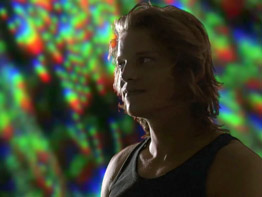
Educating, teaching and raising awareness are tasks accomplished with the greatest effectiveness when carried by emotion, the true guarantee of memorability (read the e-learning page). That emotion is sometimes easier to spark with realistic images and flesh-and-blood people as role models.
In the example of the multimedia programme “Chers plaisirs” (for the Olympio association), the aim is to raise teenagers’ awareness of the various risks of addiction (with subtlety, without lecturing). Addictions that spring to mind immediately, such as alcohol or tobacco, but also less obvious ones, such as addiction to fashion or social networks. The health hazard is not the same for all of them, but in every case, the social disruption can be quite significant once the addiction takes hold.
By choosing young actors, dressed according to codes easily identifiable by teenagers, the choice was made to maximise identification. On screen, the characters are exactly as their own classmates — or they themselves — might be.
Documentaries
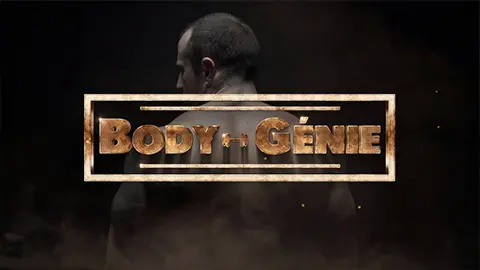
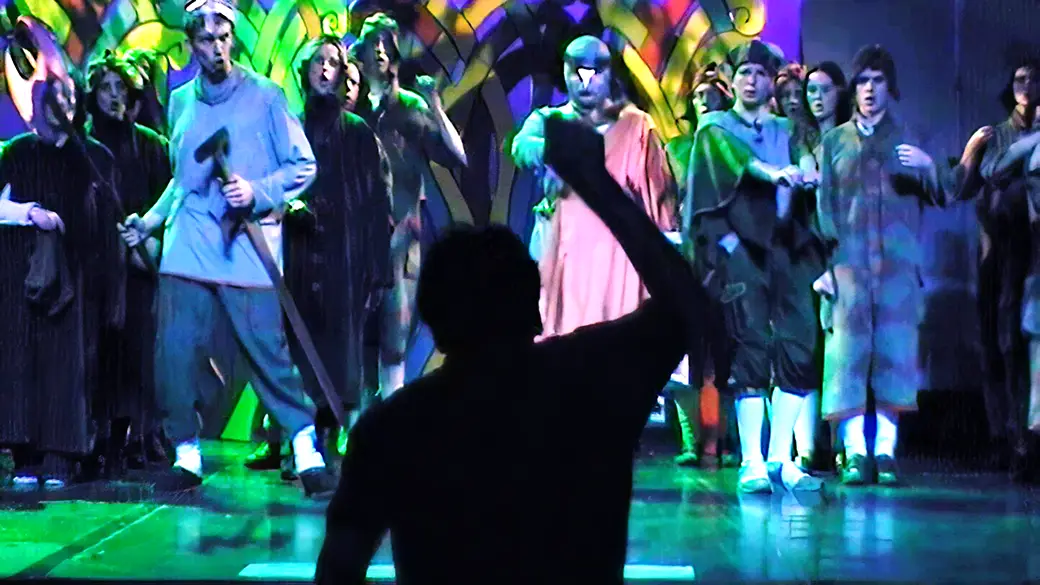
The documentary is obviously a genre apart, calling for the greatest possible share of realism. It is useful to remember, however, that representing reality is always wishful thinking: the director’s gaze and the editor’s cuts only ever reflect the authors’ vision, not an objective reality.
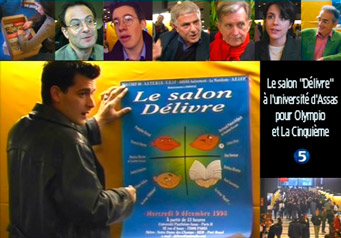
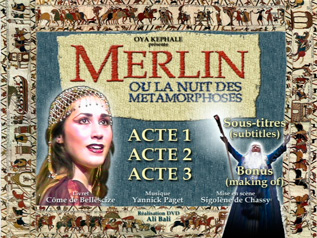
Making-of of the opera “Merlin or the Night of Metamorphoses”
E-cards (virtual greeting cards)
Virtual cards can take particularly interesting advantage of live action, notably thanks to the very advanced personalisation they allow.
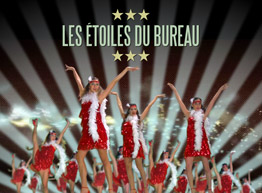
For example, in the e-card produced for JM Bruneau, entitled “Les étoiles du bureau” (The Office Stars), a genuine musical comedy was staged. The company was thus able to wish its clients a Happy New Year in a way that was resolutely out of the ordinary!
Thanks to an original score and choreography imagined especially for the card — and above all to a troupe of talented, devoted dancers — a true show was delivered straight to the inboxes of Bruneau’s clients.
Fiction films and web series
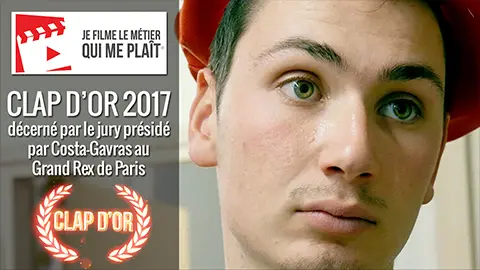
Obviously, fiction films and series remain a genre of choice for real images. It is the setting in which actors can express themselves most freely, and also the one that captures the finesse and subtleties of their performance with the greatest acuity.
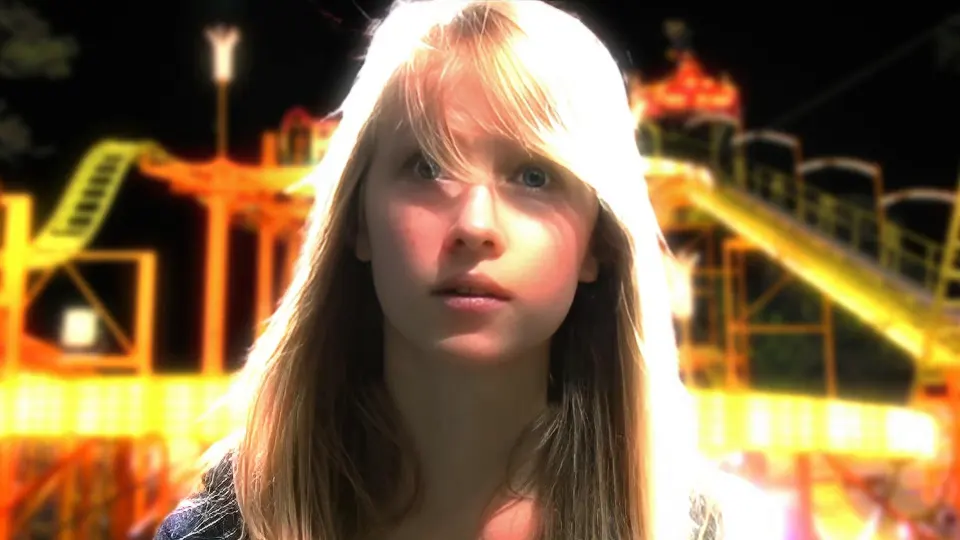
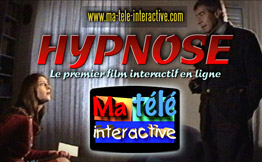
The 3TOON team ran a particularly original experiment with the movie “Hypnosis”, the first interactive movie online (made in 1997), which also marks the beginning of the Internet adventure for the studio’s founders…