Motion design is first and foremost a style of animation that combines visual elements, text and sound effects to tell a story or communicate complex ideas, simply. It captures users’ attention by using visual metaphors and structuring information in a logical, clear way.
A motion design video to explain motion design…
Is motion design the best way to communicate complex ideas?
Motion design uses animated graphics, smooth transitions, visual effects and text elements to guide the viewer through a story or an idea. This makes it possible to simplify complex concepts by using visual metaphors and structuring information in a logical, clear way.
By the way it combines everything that can aid understanding — text, images, charts, voice-over, sound effects and music — motion design has an exceptional predisposition for teaching, which places it at the top of the video toolbox for communicating complex information or ideas.
How can motion design make information more engaging and memorable?
Motion design animations can be created in a playful, appealing style, which helps capture viewers’ attention and encourages them to interact with the information presented. Moreover, the visual elements and animated transitions help reinforce the memorisation of information, allowing viewers to better understand and retain the complex ideas or notions presented.
What sets motion design apart from other forms of animation, such as 2D or 3D animation?
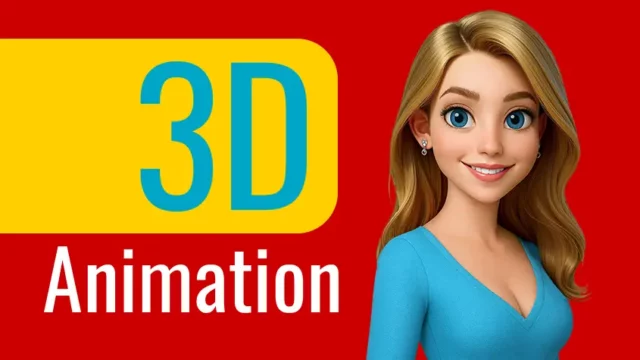
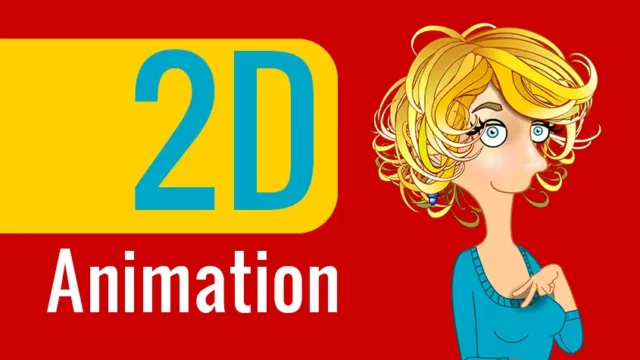
Motion design uses animated graphics, like other forms of animation. The distinction is that it happily welcomes text, animated or not, integrated into the image. In the same way, charts or tables can be inserted to illustrate the information to be communicated.
These particular combinations are what make motion design unique, and give it its capacity to make complex ideas more accessible.
Why is motion design particularly well suited to the web?
Motion design can easily be embedded on websites and social networks. It is also frequently used for promotional messages on social media, because it is effective at capturing users’ attention.
Is motion design more economical than other forms of animation?
Motion design is often less costly than 2D or 3D animation, because it can use less sophisticated graphics, or graphics the producer can reuse in certain contexts — all of which can speed up the production process.
In addition, motion design frequently uses sections of pre-built animation templates, so many prefabricated building blocks. These elements reduce production time and costs compared with more complex 2D or 3D animations, which generally require many more original drawings, created specifically for a single programme.